How Pressing Botanicals Helped Me Find My Way Back to Slowness
I didn’t realize how tired I was until I found myself standing still.
It was one of those in-between moments—neither busy nor restful—when everything I had been carrying quietly caught up with me, and between a full-time career in design and motherhood, my days had become a blur of responsibilities, deadlines, and constant movement.
Even the things I loved began to feel rushed.
I wasn’t looking for a new hobby. I was looking for a way to slow down.
And somehow, I found it in something I had once left behind.
Returning to an Old Practice
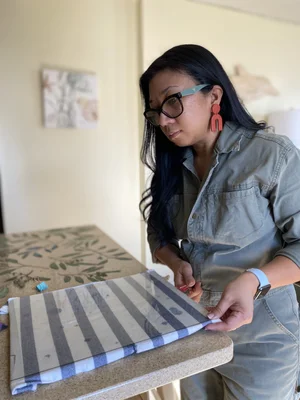
In college, I studied cyanotype printing—an alternative photography process that uses sunlight to create deep blue prints from natural forms. Back then, I was drawn to its beauty, its unpredictability, the way light and nature worked together to create something unique.
Years later, I returned to it.
But this time, something felt different.
The process asked more of me—not in skill, but in presence.
Because before the prints could happen, there was something quieter waiting for my attention.
The First Walk
It started with a walk.
Not for exercise. Not to get somewhere. To step outside and see what I could find.
At first, my mind was still racing ahead—thinking about what needed to be done next, replaying conversations, planning the rest of the day. But slowly, almost without noticing, my attention began to shift.
I started looking down.
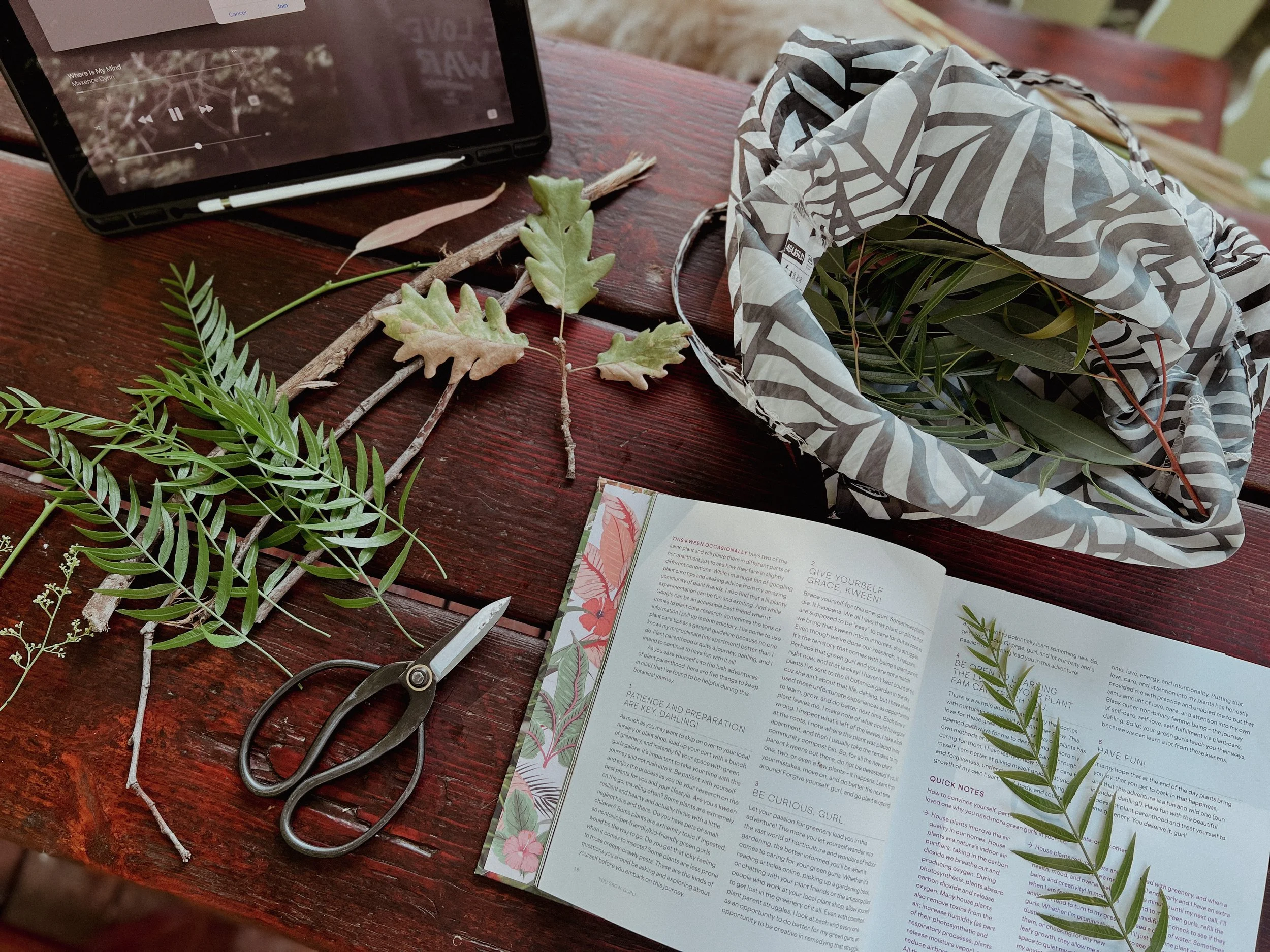
At the edges of the path. At the small, overlooked details. The curve of a leaf. The fragile structure of a wildflower. The way certain plants seemed to grow unnoticed in the spaces between.
I wasn’t just walking anymore.
I was noticing.
And in that quiet act of noticing, something within me began to settle.
Learning to Wait
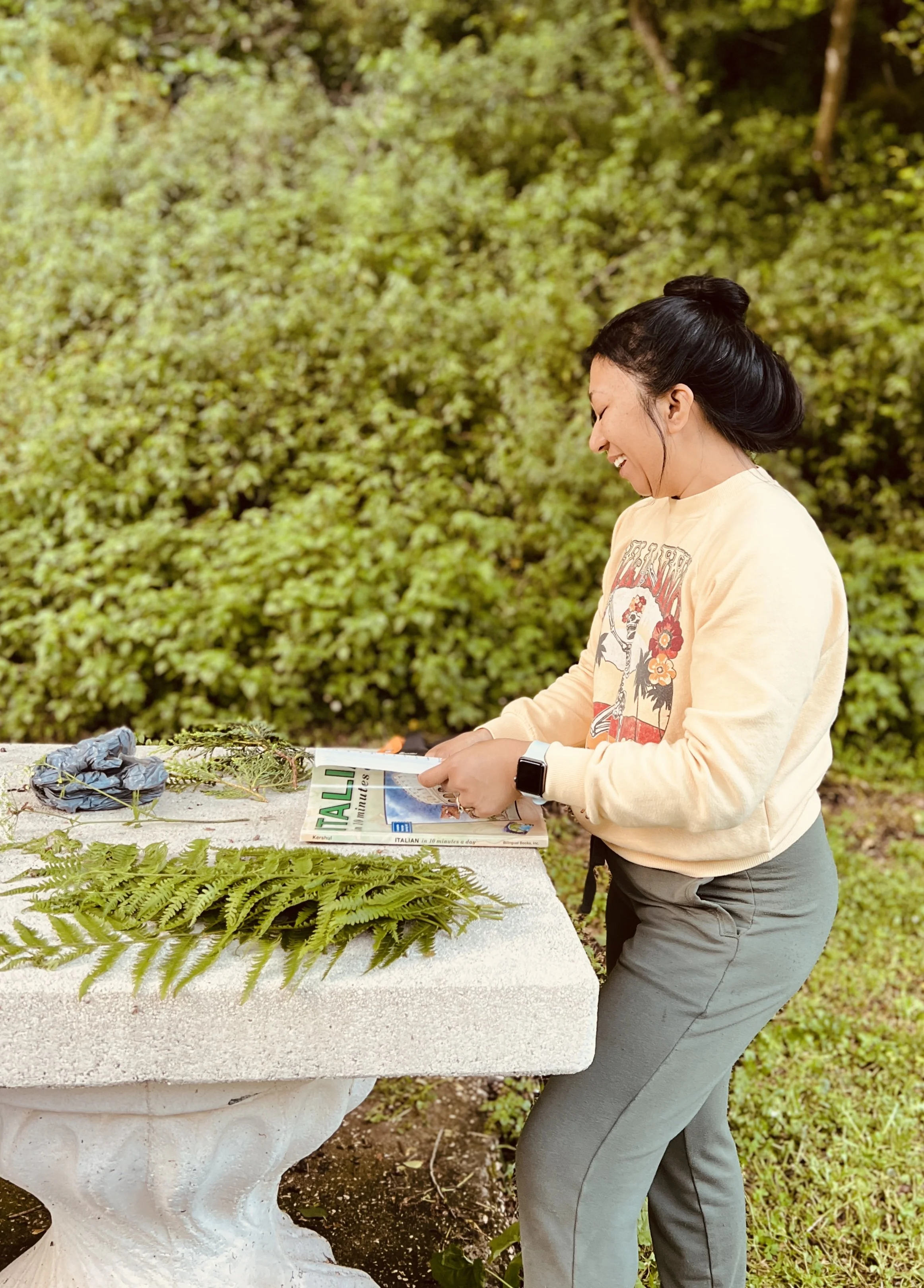
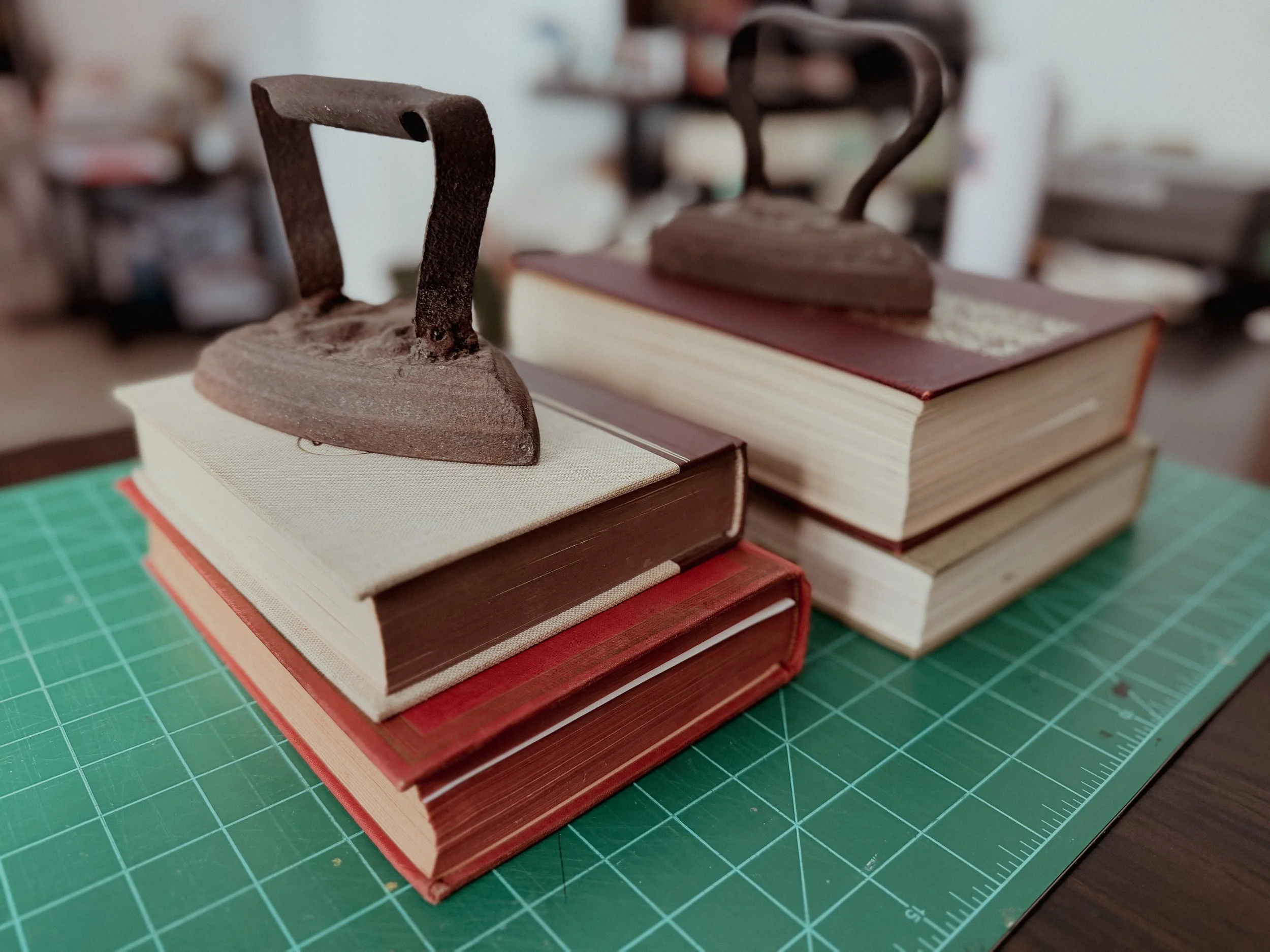
Back home, I placed my findings between the pages of a book.
There was something deeply comforting about its simplicity. No special tools. No complicated setup. Just paper, time, and care.
And then… nothing.
No immediate result. No instant transformation.
Just waiting.
Days passed. Then weeks.
At first, it felt unfamiliar—this pause in a world that rarely stops. But over time, I began to appreciate it. The slowness wasn’t empty; it was intentional. It gave me space to breathe, to step away, to let something unfold without interference.
Pressing botanicals taught me something I didn’t realize I needed:
Not everything has to happen right away.
The Beauty of What Remains
When I finally returned to those pages, the botanicals had changed.
Flattened. Preserved. Fragile, yet somehow more defined.
Each one held a quiet kind of beauty—delicate lines, intricate shapes, subtle textures that I hadn’t fully noticed before.
These became part of my cyanotype process, creating soft yet striking silhouettes against deep blue prints.
But I also began to see other possibilities.
Some found their way into a journal, marking seasons and moments I wanted to remember. Others were framed, bringing a sense of calm into my home. A few became simple, handmade cards—small pieces of nature shared with others.
What started as a way to slow down became something more.
A creative practice. A rhythm. A way of being present.
A Practice You Can Carry With You
What I love most about pressing botanicals is how gently it fits into your life.
It doesn’t ask for much.
You don’t need a studio, expensive tools, or even a plan.
Just a walk. A moment of curiosity. A place to press what you find.
It’s something you can return to again and again—especially on the days when everything feels like too much.
An Open Invitation
If you’ve been craving a slower pace or searching for a creative outlet that feels grounding rather than overwhelming, this practice might meet you where you are.
Not as something to master.
But as something to experience.
If You’d Like to Begin
I’ve created a class on Skillshare where I share this process from beginning to end—from foraging for botanicals to pressing them, and eventually using them to create cyanotype prints.
It’s a gentle introduction to both the technique and the mindset behind it.
If you feel drawn to it, I’d love to guide you.